Everything About Maine Coon Cats

Everything About Maine Coons
Origins and History of the Maine Coon Cat
Often called the “Gentle Giants” of the feline world, Maine Coons are as legendary for their massive size as they are for their quirky, dog-like personalities.
Here is the deep dive into everything that makes this breed a masterpiece of nature and a favorite of households worldwide.
Mysterious Origins: Myth vs. History
While their name suggests a wild backstory, the truth is a mix of rugged survival and romantic folklore.
The Impossible Myth: A popular (but biologically impossible) legend claims they are the result of semi-wild cats breeding with raccoons.
This myth stems from their bushy tails and the common brown tabby pattern. The Marie Antoinette Theory: One story suggests that during the French Revolution, Marie Antoinette attempted to escape to America. She supposedly sent her six favorite long-haired cats (possibly Turkish Angoras) ahead to Maine. When she didn’t make it, the cats bred with local short-haired cats, creating the Maine Coon.
The Viking Connection: The most scientifically plausible theory is that they are descendants of Norwegian Forest Cats brought over by Vikings or early European seafarers.
These cats bred with local American short-haired cats and, through natural selection, evolved to survive the brutal New England winters.
Built for the Arctic: Physical Traits
Every “majestic” feature of a Maine Coon is actually a specialized survival tool for snow and ice.
Snowshoe Paws: They have massive, tufted paws that act as natural snowshoes, distributing their weight so they don’t sink into deep snow.
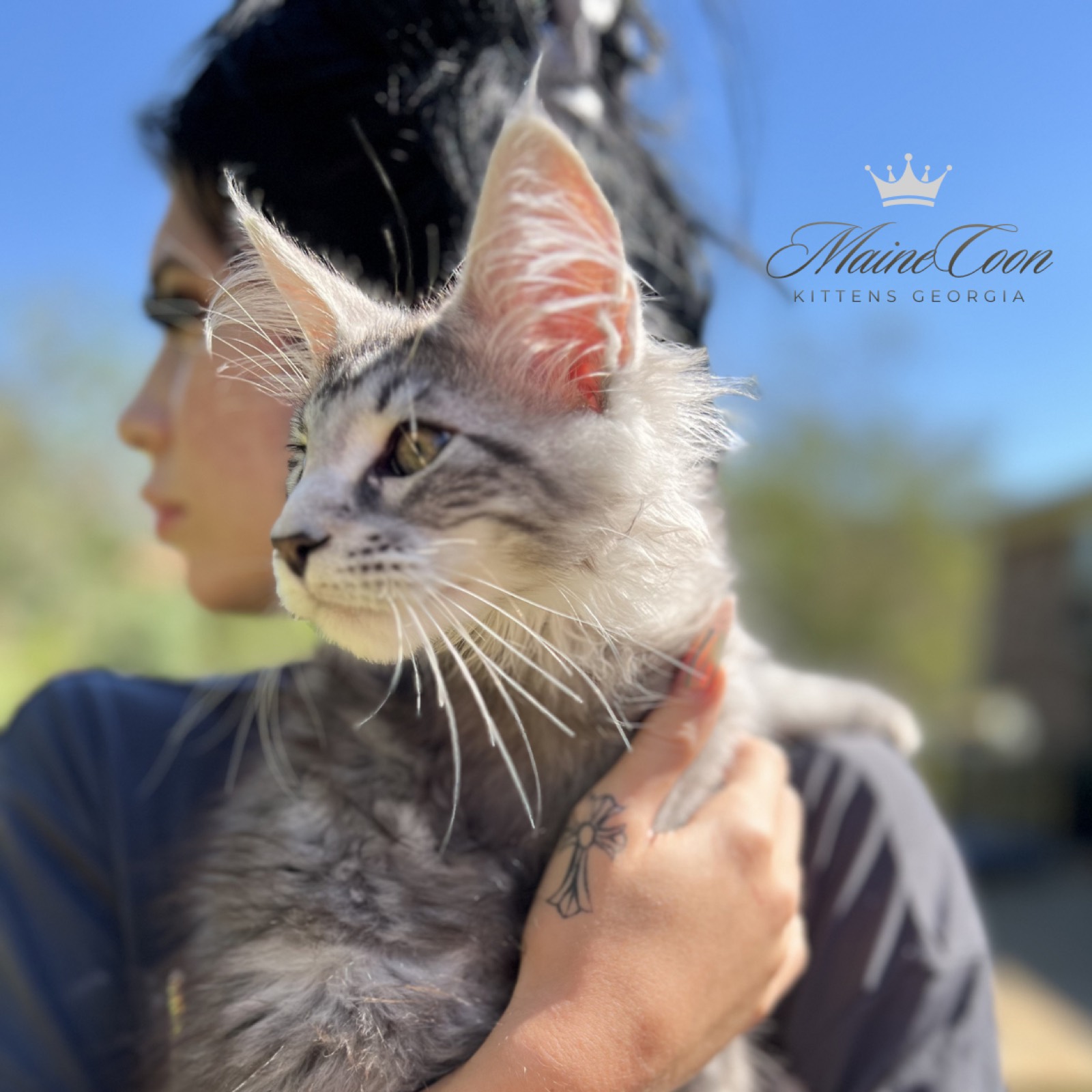
Tufted Ears (Lynx Tips): The fur sticking out of the tops of their ears protects the sensitive inner ear from freezing temperatures.
The “Raccoon” Tail: Their incredibly long, bushy tail isn’t just for show.
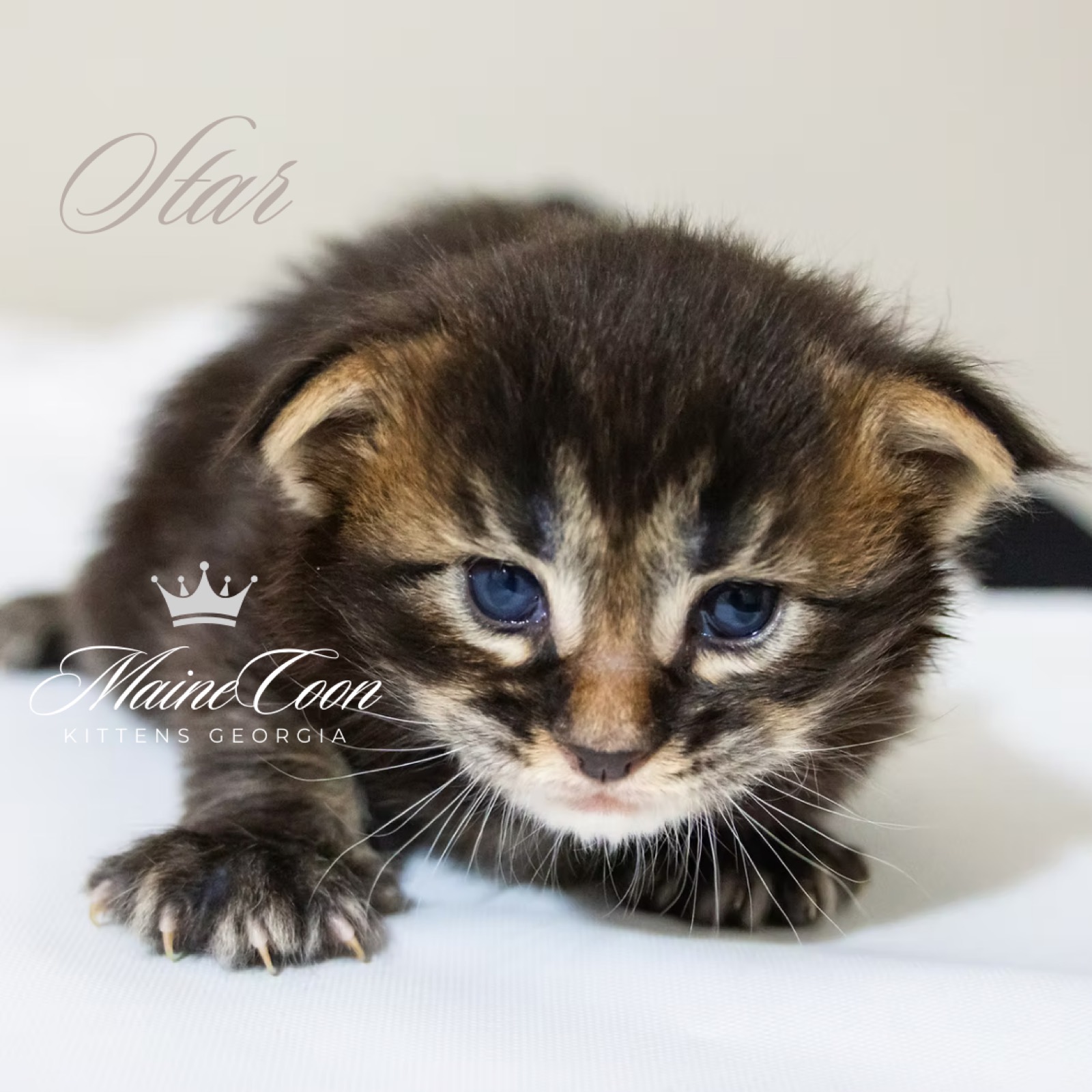
In extreme cold, they wrap it around their faces and bodies like a built-in scarf/sleeping bag. Slow-Motion Growth: Unlike most cats that reach full size by age one, Maine Coons are “slow burners.”
They don’t reach their full physical maturity until they are 3 to 5 years old.
Why People Love Them: The “Dog-Cat” Personality
Maine Coons are famous for defying typical “aloof” cat stereotypes.
The “Gentle Giant” Demeanor
They are famously patient, making them arguably the best cat breed for families with young children or energetic dogs.
Communication: Chirps and Trills
Maine Coons rarely meow. Instead, they communicate with a vocabulary of chirps, trills, and “mows.” It sounds more like a bird or a small creature than a 20-pound predator.
The Obsession with Water
Unlike most cats, Maine Coons are fascinated by water.
High Intelligence
They are highly “trainable.”
Play fetch.
Walk on a leash and harness.
Open doors or cabinets (which can be a blessing or a curse!).
Summary: Is a Maine Coon for You?
Pros:
Incredibly loyal and affectionate.
Highly entertaining and “goofy” personalities.
Great with other pets and kids.
Cons:
High Maintenance: Their long fur requires brushing 2–3 times a week to prevent matting.
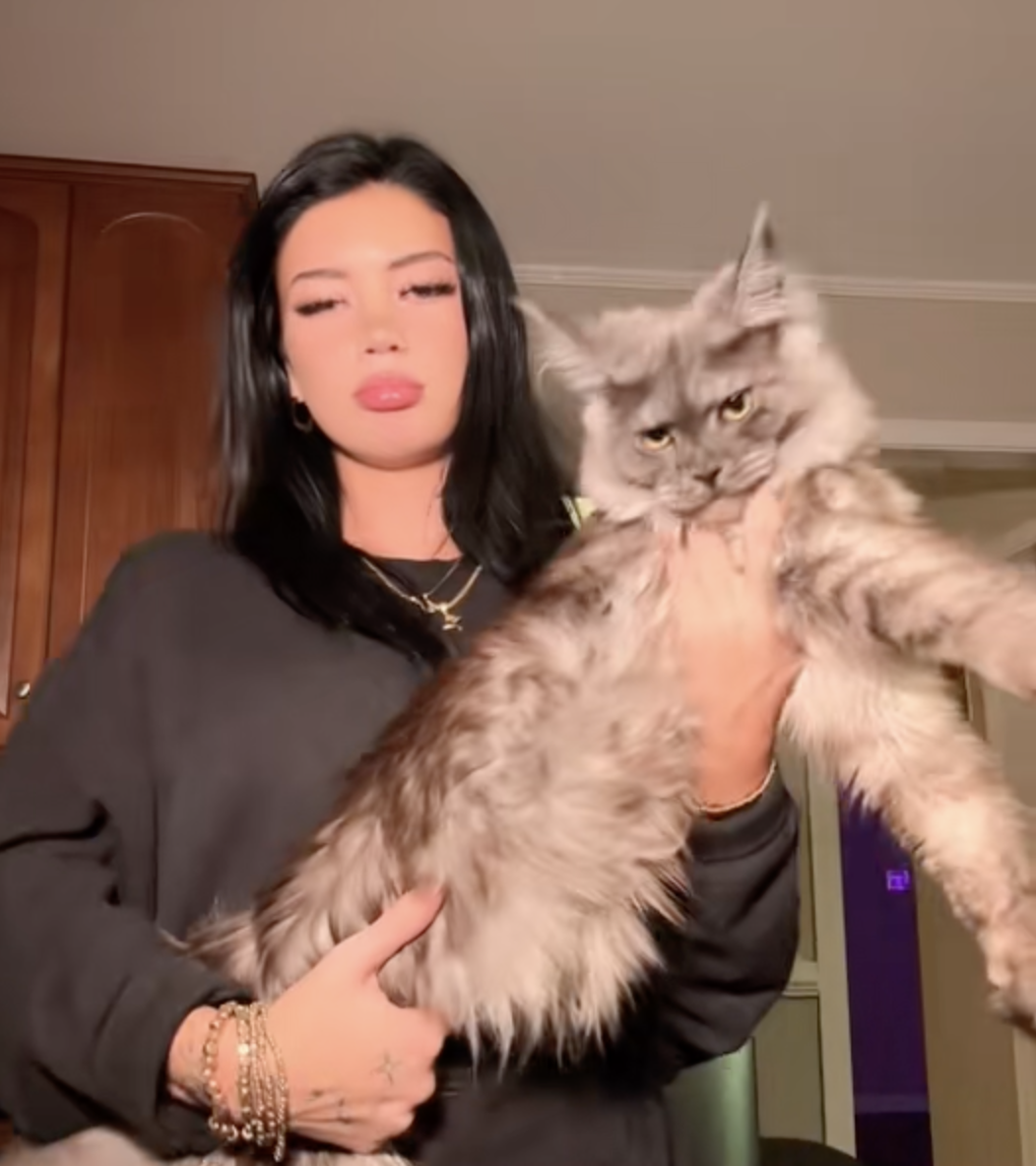
Expensive to Feed: A 20-pound active cat eats significantly more than a standard 8-pound tabby.
Need Space: They aren’t great for tiny apartments without vertical space to climb.